São Thomé das letras: Brazil’s Glastonbury

#adventure, #alternative lifestyle, #Brazil, Brazil, duendes, Latin America, Lifestyle, Minas Gerais, Sâo Thomé das letras, South America, Spiritualism, Spirituality, Três Corações

For every action there is an equal and opposite reaction. For every human a doppelgänger. Every town a twin, but not always officially twinned in the sense of Bristol and Bordeaux or Birmingham and Chicago – towns that to all intents and purposes have little in common. Some towns are kindred spirits. Soul brothers. Sister cities. Take Edinburgh and Florence, two cities well matched both in grace and favour.


Not that many New Age & Main Stage-lovin’ aquarians, who show up perennially at the gates of Michael Eavis’ Somerset farm each and every summer, will ever go there (the UK festival circuit is pricier than budget adventure travel through South America), but no word of a lie, on a recent trip to São Thomé das letras I swear i met Glastonbury’s long lost twin. Though it would be fair to say they remain lost to one another, and there’s no telling when these long-lost brethren will be given the This is Your Life treatment. This is their historical destiny, given that Britain’s empire was kept in check in Latin America, and British interest there today is at best marginal.  

Everyone who is no one knows England’s Glastonbury. There’s the annual arts and music festival, of course. The inevitable cat and mouse game between stewards and fence-jumpers, which results in ever higher fencing and standing charges for tickets that sell out within a hour. The periodical return of Van Morrison and Coldplay to the Pyramid Stage, just when everyone thought they might take a permanent rest. There’s the Tor, the grassy hump that everybody climbs to flee the rising floodwaters that beset the Somerset Levels with increasing regularity and ferocity. There’s the legend of Camelot, if you buy into that sugar-spun fairytale. (Until diets improved in the area, the locals were happy with Spamalot). Then there’s Jesus’ uncle, Joseph of Arimathea, who devotees believe house-swapped a life of danger in the Levant for bucolic Britannia, bringing only a cup with him in his 1st AD century removals caravan. There’s bombed-out deadheads that haunt the town, barefooted and extremely confused, months after the festival has ended, wandering into corner shops asking if this is where Hawkwind are playing this weekend.

Glastonbury is all that and some. Who can forget the quaint little cottages for sale at not such a quaint little price? And the annual orgy of money made in holiday rentals from well-heeled festival goers for whom a row of dripping, wet tents is just not appealing? And last but by no means least, what of those ley lines running under this most pagan of towns? This mystical grid force of supernatural, electromagnetic power is responsible for getting the crystals all excited. Spiritualists and necromancers follow this flow of uninterrupted energy like the children of Hamlin to the penny whistle tones of the pied piper.

That’s Glastonbury seen from a slightly flippant angle. But what about its southern counterpart?
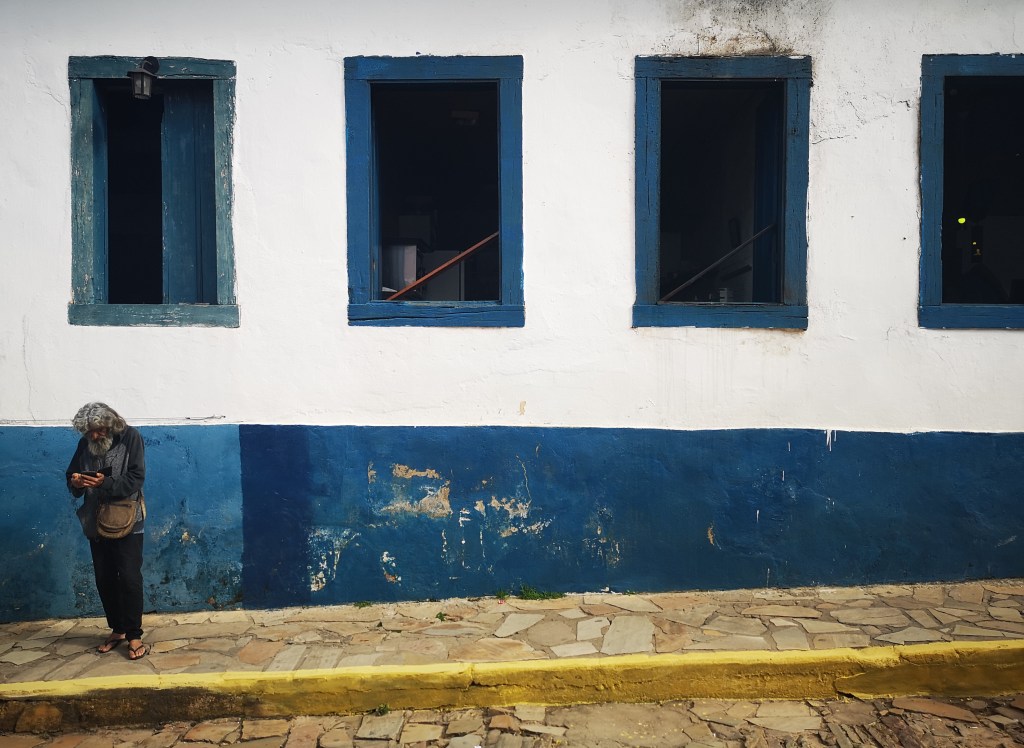
 

On the subject of Joseph and the Grail, São Thomé das letras was named in honour of another hero of the Jewish uprising against both Judaism and Roman Rule in 1st century Judaea: the doubting Thomas, apostle and man of my own heart. Quite what the letters (letras) part is about is the subject of much conjecture. But i would say it might have something to do with the Gospel of Thomas, and the fact that gospels were written into letters. One would assume that early Portuguese settlers, with God on their side and Christ in their hearts, in what was the colonially important and unromantically-named province of Minas Gerais (or General Mines), founded this little settlement long before the hippies started flocking. It is highly unlikely that whomever called the province General Mines and the town St Thomas of the Letters was much of a crystal-gazing spiritualist with animistic tendencies. In all likelihood they were a pragmatic, Catholic bunch who mined valuable stones all week for money while worshipping all weekend for salvation. Stranger things have happened at sea, where, luck would have it, the Portuguese spent much of their time conquering the then unknown world.


Brazil’s Glastonbury is a tenuous link at best, you shrug. A non-identical twin in a world obsessed with identical ones. I mean, São Thomé doesn’t attract the likes of Beyoncé, Dolly Parton, and The Foo Fighters over from the U.S. to join the rock and pop pantheon in a 5-day annual music blitz. Joesph of Aramathea never crossed the Atlantic. And Camelot’s influence couldn’t possibly have predated Pedro Álvares Cabral’s new world discovery of Rio de Janeiro in 1500. But look beyond the obvious – transcend the tawdry – and you’ll see that both towns coruscate with pixie dust.

Legends abound here and there. There’s a tunnel that runs from two undisclosed entrances: one at Machu Picchu and the other in Sáo Thomé 3,000km away. The ground beneath Sáo Thomé is so highly-charged with potions of motion that there’s a spot there where your car will drive itself. So many varieties of magic mushroom can be bought sealed and ready to nibble on that you’ll be hallucinating all the way under that tunnel to Machu Picchu, if only that entrance can be found. So potent are these so-called cogumelos that doubtless you’ll still be high when you emerge at the Peru end of the tunnel.


At the summit of all things heady in Sao Thomé is its very own Tor, but nothing like the old phallic one atop a hill in Glastonbury. Nevertheless, the same purpose is served: pilgrimage. The Brazilian construct is somewhat unorthodox, and a whole lot newer. Built sometime in the 20th century, of a quartzite now afforded Kryptonite powers, the Pyramid couldn’t be better named, given the invented similitude with Glastonbury. And, like Glastonbury’s sound-splitting, prismatic Pyramid this too is a stage, of sorts. Namely, a stage for all Brazil’s seekers of the transcendent realm that come here in search of whatever it is the rocks are emitting. It can’t be enlightenment they are after, as if it’s the light of truth they want bathed in, the sun here packs enough punch to drown them all. It must be the panorama that wows the crowd, because from there the rolling country of emerald Minas Gerais never looked so good.


Ascending and descending the Pyramid for yet another spectacular sunset is not unlike the Sermon of the Mount scene from Monty Python’s Life of Brian. There’s a sense of destiny about being in attendance for nature’s greatest revelation. And descending at dusk with all the others, there’s still the vendors at their makeshift stalls to pass, flogging everything from moonstones to magic potions, in this nation of ingenious artisans.

São Thomé das letras is more than worth the six-hour drive from Sáo Paulo (equidistant from Rio). Yes, seeing the promise of fadas and duendes – fairies and elves – is reason enough in itself to go, as every great traveller will tell you, it’s not about the destination. For lovers of o jogo bonito, en route you can stop off in Três Coraçōes to pay homage to the great Pelé in his place of birth. If Brazil beguiles you with its beautiful game, let it beguile you further with its beautiful countryside and magical realism, even if the analogies to Glastonbury are a tad far-fetched.

end

Al Fujairah: Poetry in No-Motion

Arabia, Bedouin, Middle East, Photography, poetry, Poetry, Uncategorized, United Arab Emirates, verse

The United Arab Emirates You Don’t See…

…Everyday

It’s never grey on days like these,

All smiles and gentle bullfights by the beach.

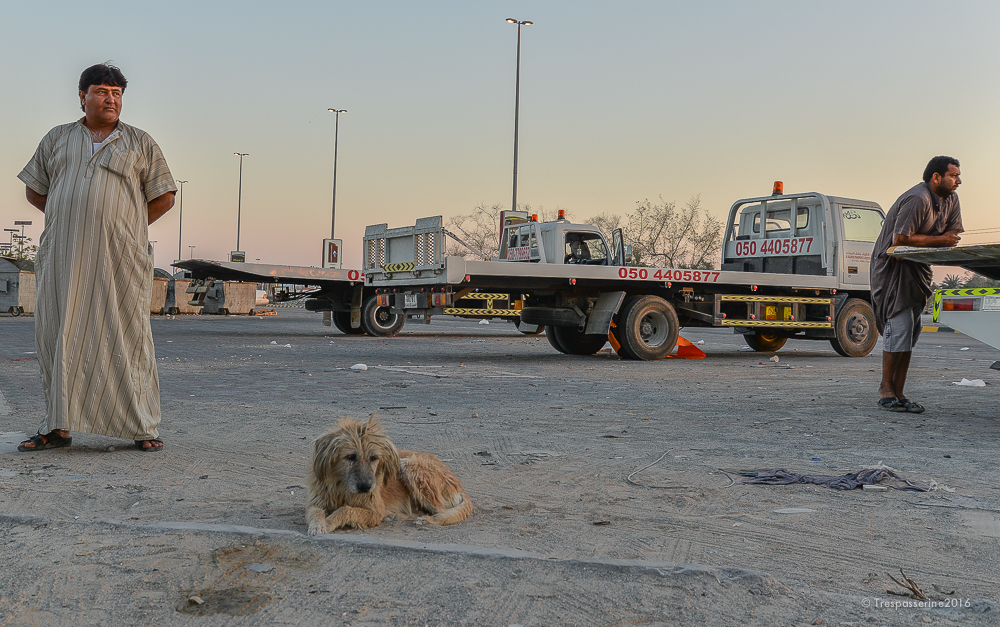
Unnamed Imam Deep in Thought, Fujairah, Emirates.

Imams deep in thought,

Wonder what verse at Maghreb I’ll preach.

Old forts, red earth,

A fat sun slipping into the past.

Contented soul in his Saturday best,

This is not my first, nor will it be my last.

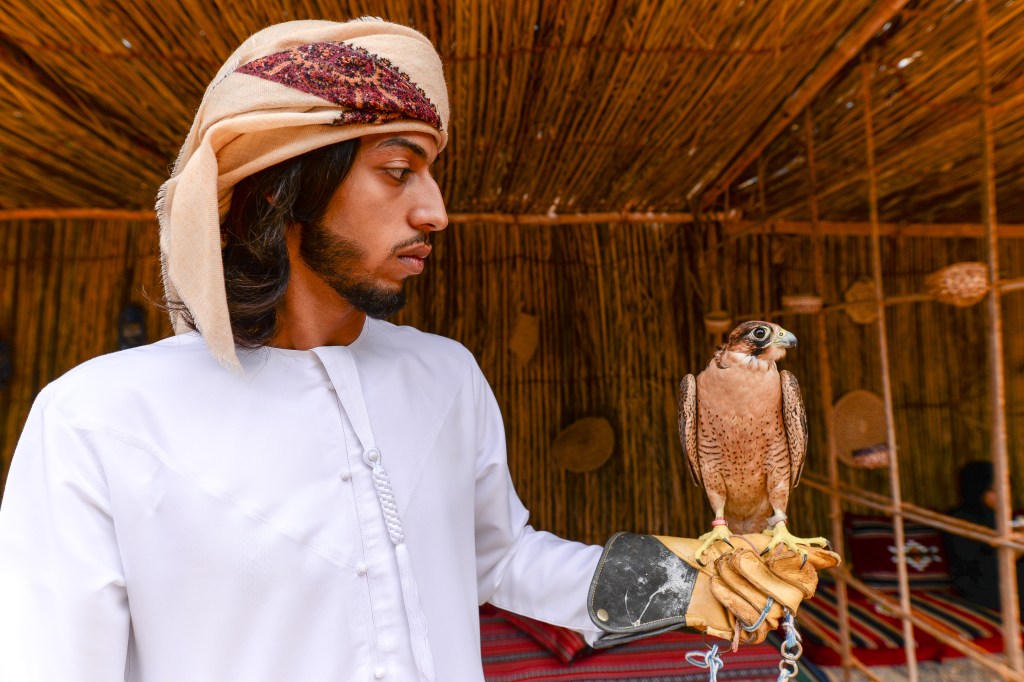
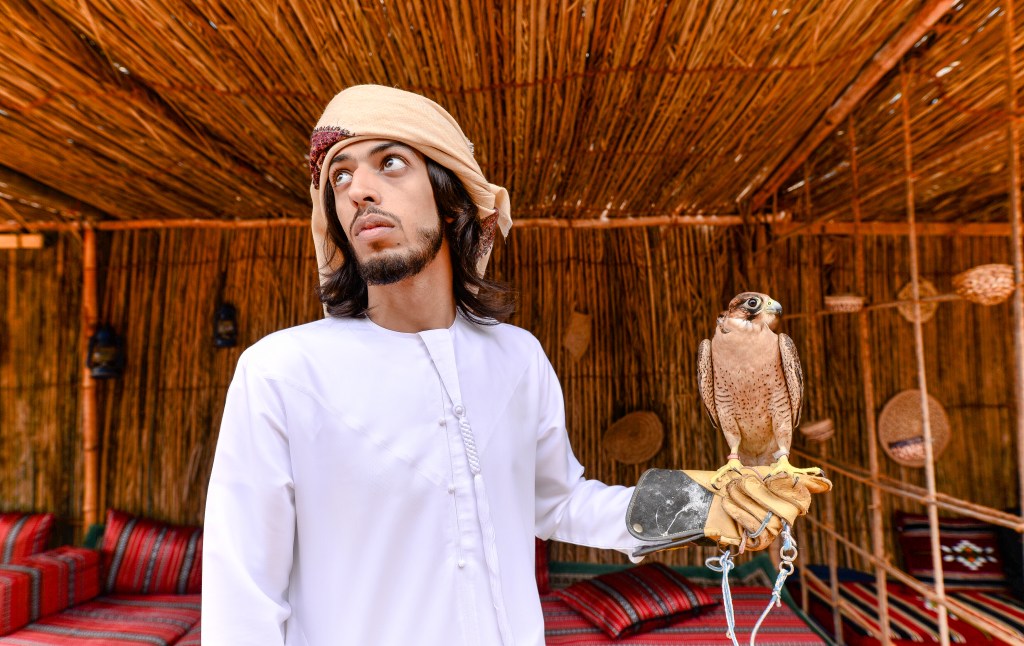
The falcon cannot hear the falconer;

Things fall apart; the centre cannot hold;

Migrant Workers , Al Fujairah, UAE

Chaise lounge in a parking lot,

A face that reads ‘I do what I’m told.’

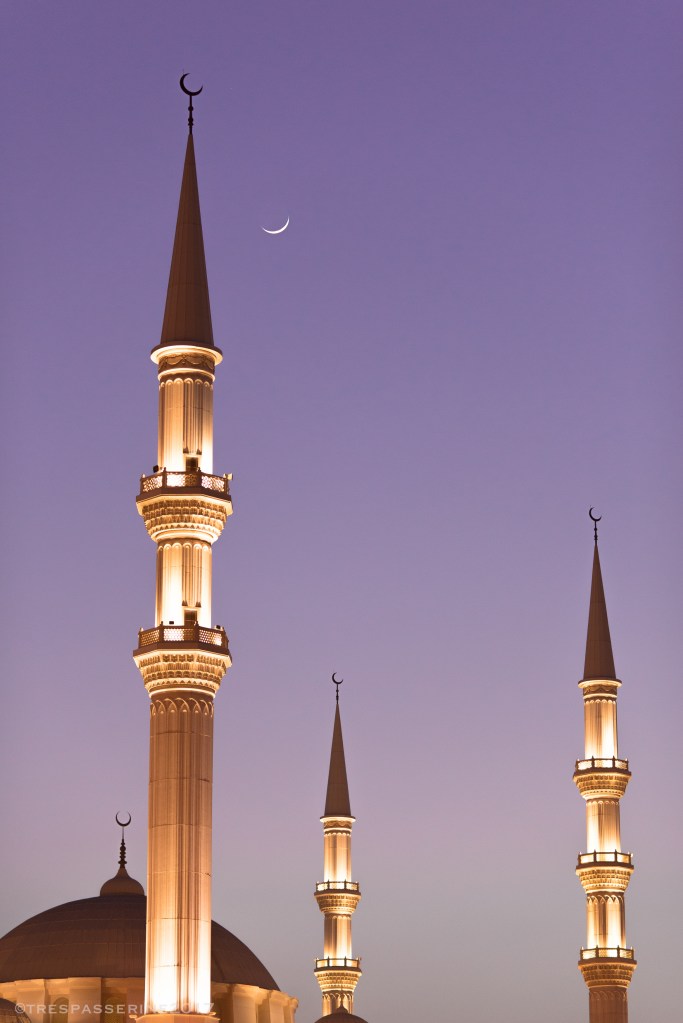
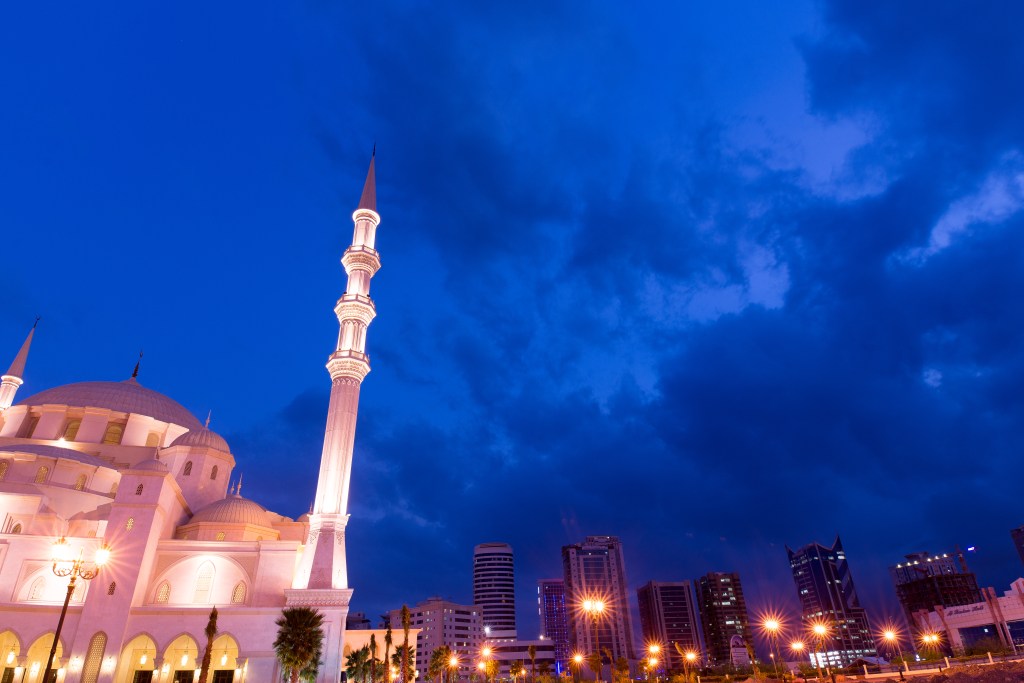
Grand Mosque, Al Fujairah

Ah, the pull of faith.

Who can resist the call of the minaret?

Supplication to the Divine, Al Hayl.

Least of all him,

Knowing it’s not dark yet.

Migrant Workers Relax on Their Day Off

Sharwal Kameez, the sunset’s on fire.

Silhouettes gathered on a broken hill.

Migrant workers cloister wherever

Nowhere is right here,

Where the air is still.

Man and his first love

The best lack all conviction, while the worst   

Are full of passionate intensity.

The magnificent, munificent mosque

I lord over all below and above,

Behold not you but me.

Two Migrant Workers from West Africa

Faces from everywhere and no man’s land.

Bound is the man who’ll forever roam.

Street dogs live in spite of the neglect

No such thing as a free lunch,

Betrayed is the dog without a home.

Cars, the street dog, so named because he slept under them

What is this quintessence of dust?

Man delights not me, except this guy here.

A clash of Bulls

There’s gonna be a rumble today,

But we’re only butting heads, so have no fear.

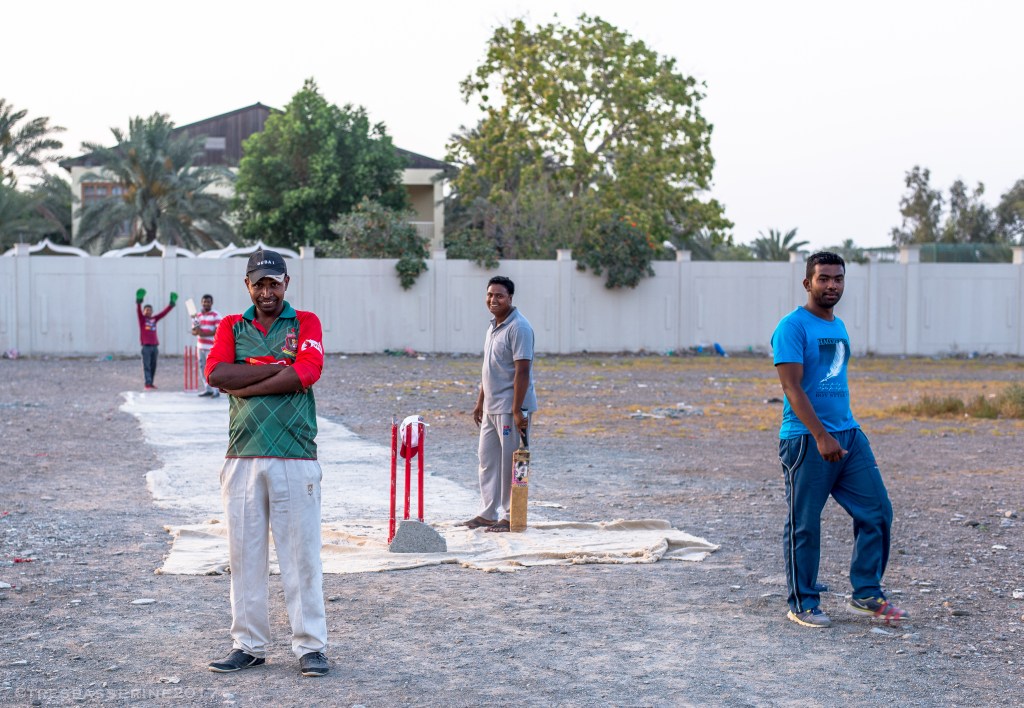
Migrants workers from the Sub-Continent play cricket anywhere that’s flat.

Silly mid-off, this game leaves me stumped.

It’s just not cricket, in this world it’s all they’ve got.

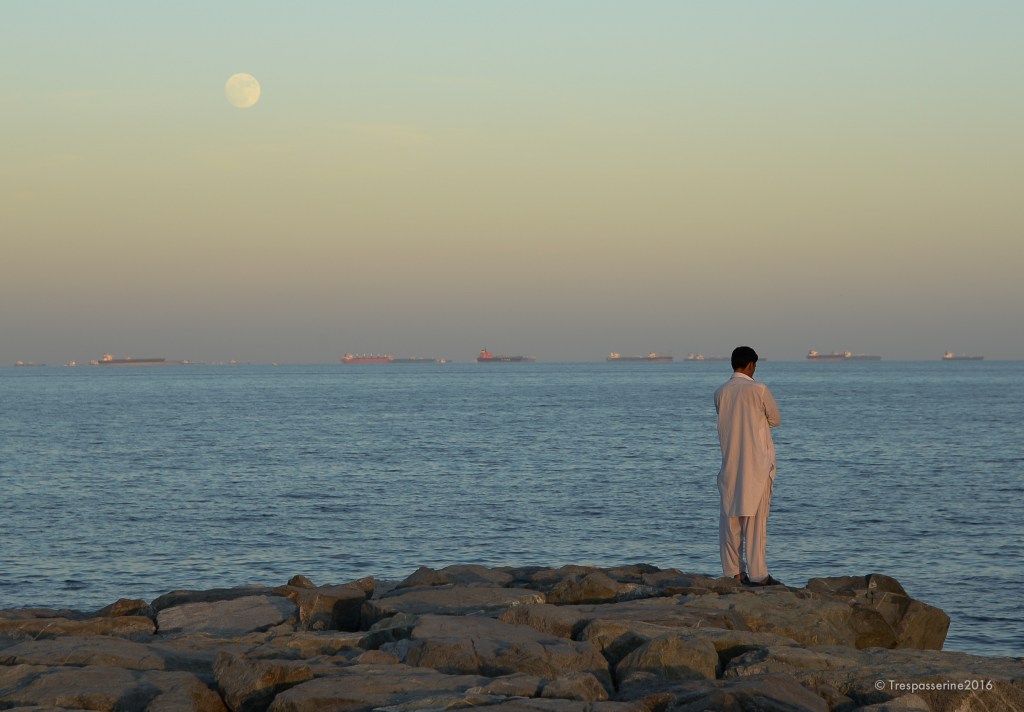
Lone figure against the backdrop of the Indian Ocean

An armada of tankers weigh anchor and enter,

An ocean deep in thought.

All ®ights ®eserved. Trespasserine

The Curious Case of the Dog on the Final Day

#adventure, abandonment, animals, cruelty, dogs, environment, europe, fate, forest, kindness, Life, nature, neglect, Oddities, Spain, Travel

Going somewhere exotic to rekindle lost love can be as worthwhile as flogging a dead horse. Until, that is, a minor crisis connects you both in ways you never knew possible. Even if it’s not enough to save a relationship, a double act of kindness can prove a fitting finale to a great affair.

As befitting a relationship that bloomed then faded over two dozen countries in a dozen years, my long-term partner and I met for a showdown in Almeria, Spain. A beleaguered ‘marriage’ was at stake. The intervening years had taken their toll on our inseparability. We fought one another on many fronts in many theatres of war, but always patching up as spectacularly as we had torn each up. Love was no more in the air, though I had hoped it might start suffocating us again blissfully as it had done a decade previous. From my vantage point, this was our last crack at compatibility. And we were going to give it our best shot under the blistering Spanish sun.

To cut to the chase, the endeavour didn’t start well. The bickering picked up nicely after a couple of days. Minor irritants swelled to the point where failure to turn the key to the hotel door resulted in fits of rage the likes of which no Hollywood diva could match. When personal insults fly in the face of what are little mechanical glitches, you know the noose is tightening and the game is up. There was only one antidote to the bitterness: find a place of serene calm off the beaten track. Let nature be our balm.

At the headwaters of the Guadalquivir, lying in the Parque Natural Sierras de Cazorla, we laid down a truce. And, lo, it held. Autumn had repainted the landscape into the most beautiful hues of mustard and rust red. The poplars, standing tall and alone in the saddle of the Sierra, rattled like a thousand tambourines in the breeze. Myrtle trees dropped tiny leaves around us. Confetti for our renewed marriage vows? The portents were good until we reached the source of the once-great river, now reduced to a trickle. So this is the source of our love? The waters of the famous Guadalquivir, running dry because there was never anything upstream of any substance. Is this to be the quality of even the deepest love between two people?

On the Almerian coast we stayed on Cabo de Gatas peninsula, Spain’s southeast cape. A tremendously evocative spot – its rock walls plunging into the Med – we marvelled at the palaeontology of the place: ancient coral reefs submerged off the coast; at four hundred million years old, some of the world’s oldest recorded. A half-finished hulk of a huge hotel, intruding into the delicate coastal ecology. Abandoned before it was ever inhabited, the developers threw up the superstructure without soliciting planning permission from the municipality, as if local government would ever consent to an eyesore of a hotel in the midst of a national park. That chimed with me too. I saw parallels with my faltering love affair. We lay foundations on precious living bodies we have no right building on. That’s love for you.

By the holiday’s end, the salvage operation was about to be called off on the relationship. No amount of romantic landscape was going to inject new blood into old veins. With a couple of day remaining until our final farewell, the two of us wound our way to Baza, a forest high up in Andalusia’s very own altiplano. Elevated to nearly 900 metres, the air was rarefied and the sky cerulean blue. Night would bite. There the trees bristled in anticipation of winter as pines do. Knowing we were calling time on our amazing life journey together, a sudden calm came over us.

Driving through the forest, an animal ran out in front of us. Stopping, we saw it was a dog with big, lolloping ears and a cropped, silver-grey coat, known as a Weimaraner. How odd, we remarked. A handsome young animal with a great pedigree out here in the middle of nowhere. It was agitated, you could tell by the way it paced up and down the road as if looking out for a car that never appeared. Curious, we parked up and observed the dog, who was so distressed our presence barely merited a sniff.

Upset by the sight of this dog darting around in bewilderment, we resolved to do something. Approaching, I saw she was both a bitch and young. With swollen teats she was also a mother minus the pups. Being a Weimaraner, she was friendly and intelligent. Clearly, she had grown up in a human home. I lifted her underside to place her on the back seat and she trembled. Our drive underway, we noticed her quivering in fear and bewilderment. This dog was at best lost; at worst, cruelly abandoned.

Stopping to ask foresters we met in a nearby clearing, they explained that hunters often drive their dogs up to this remote spot where they encourage the young females, already having produced a litter or two, to hop out only to drive off leaving them there. The ones that do survive the wild are found in state of shock. No different from the global trade in trafficking west African women to the Gulf to service male needs then. Use them and abuse them then throw them away.

This news angered the pair of us. After years, we could agree on something. Determined to right this wrong, I drove down the mountain. Finding ourselves now on the plains where Sergio Leone shot the classic Spaghetti Westerns of the late 1960s, our purpose together had finally been revealed: find the dog a home before tomorrow when we go our separate ways forever.

Being a Sunday in a Catholic nation, not much commerce was going on. The streets were abandoned, probably explaining why the location was chosen for tense gunfights in A Fistful of Dollars. A curtain of golden light was falling on the day’s end and we were feeling pressured. The poor dog cowering in the back didn’t help. We called the vet, but the vet must’ve been at vespers in the local church. We called a dog shelter. That too was closed. Taking the Weimaraner back to England was out of the question at such short notice. As the day shortened, our problems lengthened. It was then that we pulled in to a ranch-style trattoria. It was vast and its interior plush in that rustic manner. Whomever owned it was a wealthy man. Again, with no sign of life the two of us wandered round the back to the kitchen where the door was opened. Popping our heads around, we asked for the manager. They sent the owner. He was a tidy-looking man without pretension. Explaining our situation he fell silent.

’Show me this dog you speak of,’ he said.

Impressed by what he saw, he backed away. ‘I have one already. I cannot take another dog,’ he lamented. ‘Even if she is such a fine animal.’

Disappointed, but understanding, we took our leave. As we were exiting his palatial roadside restaurant, a tap on the window. It was him.

‘Tell you what. Here’s the deal. I go to my Land Rover. Now, I don’t know if I left my own dog’s chain on the passenger seat. But if I have, I will take care of this dog of yours. If it’s not there, you’re on your own.’

Walking with him to his car, he swung open the passenger door. The seat was strewn with papers, but there was no chain. He slammed the door.

‘Lo siento mucho,’ he said.

Our hopes fading fast with the daylight, again we took our leave. Seeing the dog’s face forlorn against the window, my soon-to-be ex and I looked at each other with renewed vigour and certainty, for the first time in I don’t know how long. ‘We cannot just dump her by the side of the road.’

‘But I have to return to England tomorrow,’ I answered.

‘Not before we find the dog a home you don’t.’

Turning, I caught the trattoria owner out the corner of my eye. He was moving toward our car, his hands behind his back.

‘Look what I found in the footwell,’ he smiled. ‘It was under all those papers.’

In his outstretched arms he dangled exhibit 1, the dog chain.

‘Fate decided.’ He said with a warm reassurance we knew would translate into responsible ownership.

‘You will care for her? You won’t leave her abandoned a second time?’ You promise?’

Casting his hand as if to magic into existence his beautiful roadside trattoria, he replied. ‘I look after things. And I don’t give up on a promise.’

Without flinching he clicked the hasp of the chain onto her collar ring and calmly trotted off with the Weimaraner, who by now had ceased quivering. With the dying rays of the day warming an old wooden shack that could have been a stage prop in The Good, The Bad, & The Ugly, we pondered the view and with it possibly the life we had shared for all those incredible years that brought us to this final day. It had all been thoroughly vale la pena. Worth the pain, as they say in Spain.